Pet Aftercare

Exploring Compassionate Pet Aftercare
for Mauritius
Solace is exploring whether aquamation, a gentle, water-based alternative to flame cremation and burial, could provide Mauritian pet families, veterinary practices and animal-welfare organisations with another respectful choice for end-of-life care.
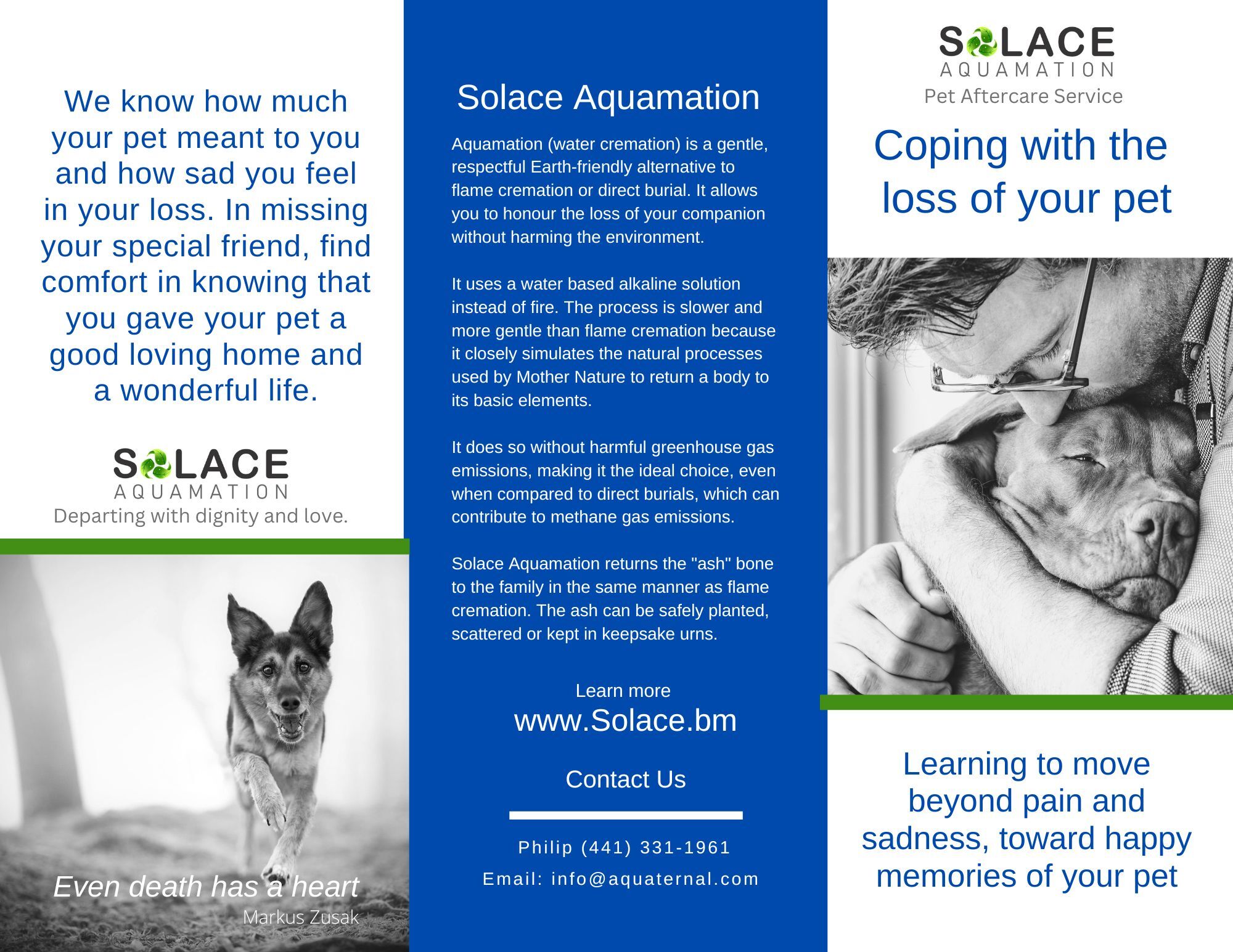
Aquamation, also known as alkaline hydrolysis or water cremation, uses warm water and alkali rather than flame to accelerate the natural process by which a body returns to its basic elements.
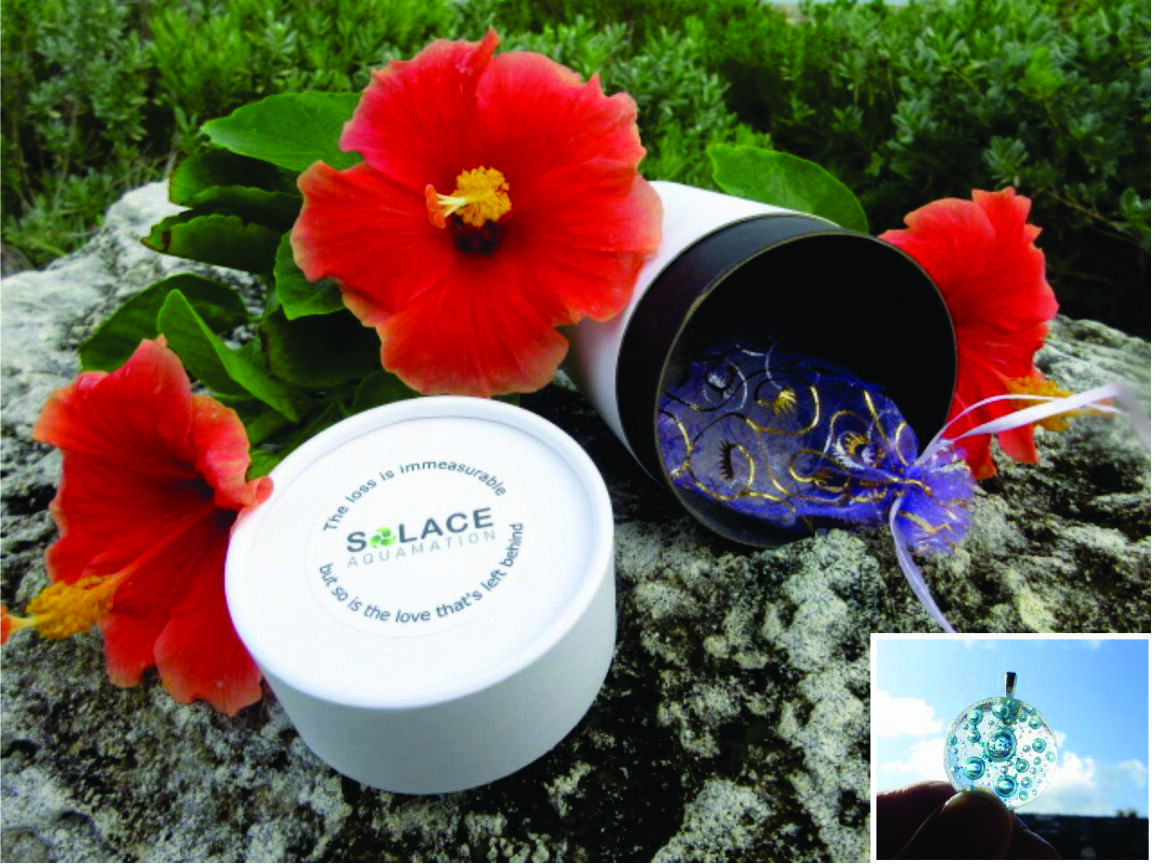
At the completion of the process, the pet’s clean mineral bone remains are carefully processed into a fine powder and can be returned to the family for memorialisation, much like ashes following traditional cremation.
A lower-emission alternative to flame cremation
Aquamation does not rely on combustion and can substantially reduce energy use and direct air emissions compared with conventional flame cremation. It also avoids the land requirements associated with burial.
Any Mauritius operation would be developed in consultation with the appropriate environmental authorities.
Why Mauritius?
Mauritius is investing in animal welfare, veterinary capacity and responsible management of its dog and cat populations. At the same time, pet families increasingly regard companion animals as members of their family.
We believe this creates an opportunity to explore not only compassionate pet aftercare, but whether a sustainable private service could also contribute to the wider animal-welfare community.
We are currently conducting market research, learning more about Mauritius’ challenges and cultural traditions and would welcome any feedback that would help us see where Solace branded pet aftercare can come alongside existing animal welfare groups, vets and pet service providers.
We want to better understand what is appropriate, feasible and culturally aligned with Mauritius’ pet community.
Could compassionate aftercare also help prevent animal suffering?
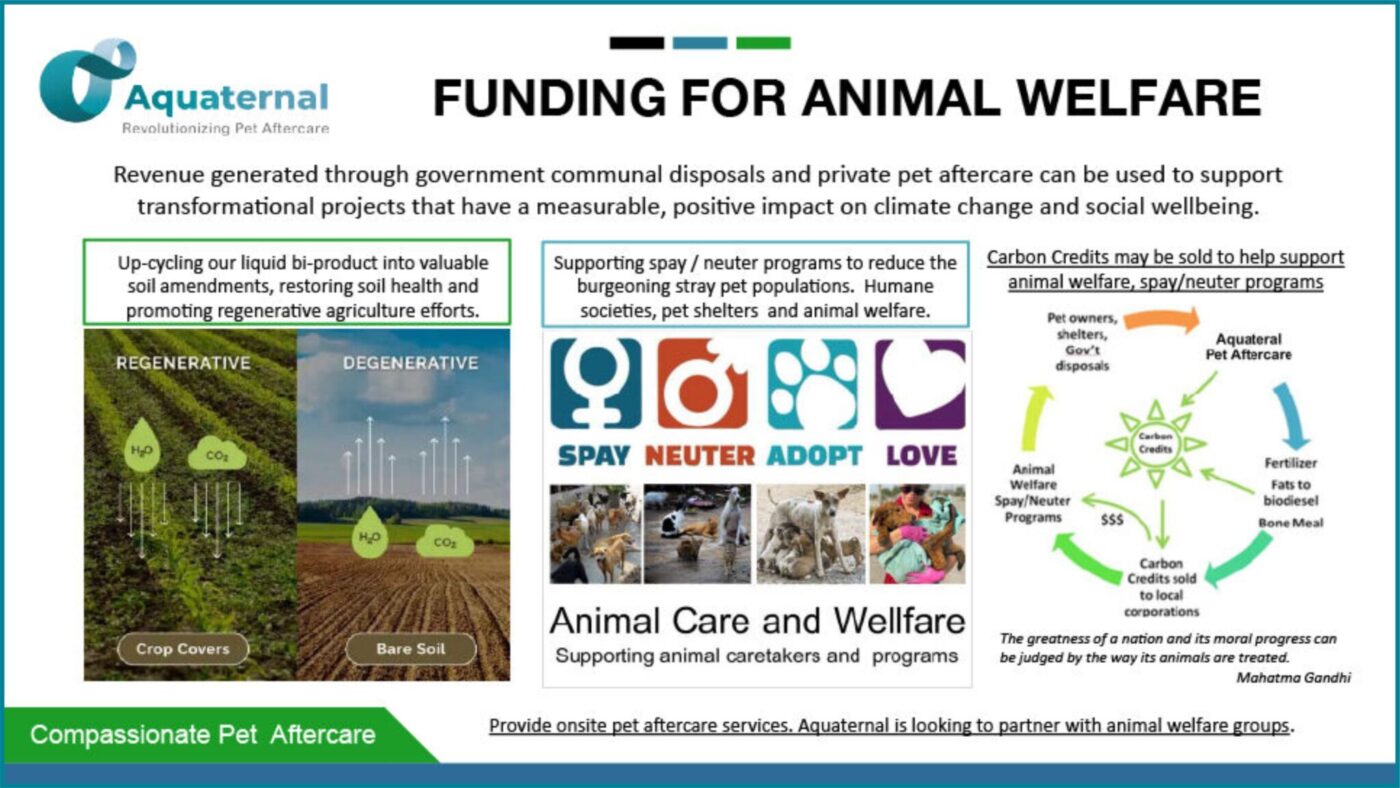
One concept we would like to explore with Mauritian animal-welfare organisations is a Solace Compassion Programme. Under this concept, every private pet aquamation would generate a defined contribution toward independently delivered dog and cat sterilisation programmes in Mauritius.
We would like to work with established local NGOs and veterinary professionals to determine how such a programme could be structured transparently, with measurable outcomes and funding directed toward organisations already doing this work effectively.
Supporting Mauritius’s wider animal-welfare infrastructure
Aquamation may also have a role beyond private pet aftercare.
Veterinary hospitals, shelters and animal-welfare organisations all require humane and responsible arrangements for animals that die naturally or are euthanised for legitimate veterinary reasons.
As Mauritius expands its veterinary and animal-welfare infrastructure, we would welcome discussion about whether an independent aquamation service could provide an environmentally responsible aftercare option for these organisations.
Solace would have no involvement in animal capture or euthanasia decisions. Our role would be limited to respectful aftercare following death.
Solace has been providing pet aquamation services in Bermuda since 2022.
Established in Bermuda. Exploring Mauritius.
Solace Aquamation Bermuda has provided individual pet aquamation services since 2022, working with pet families and veterinary professionals to provide compassionate aftercare.
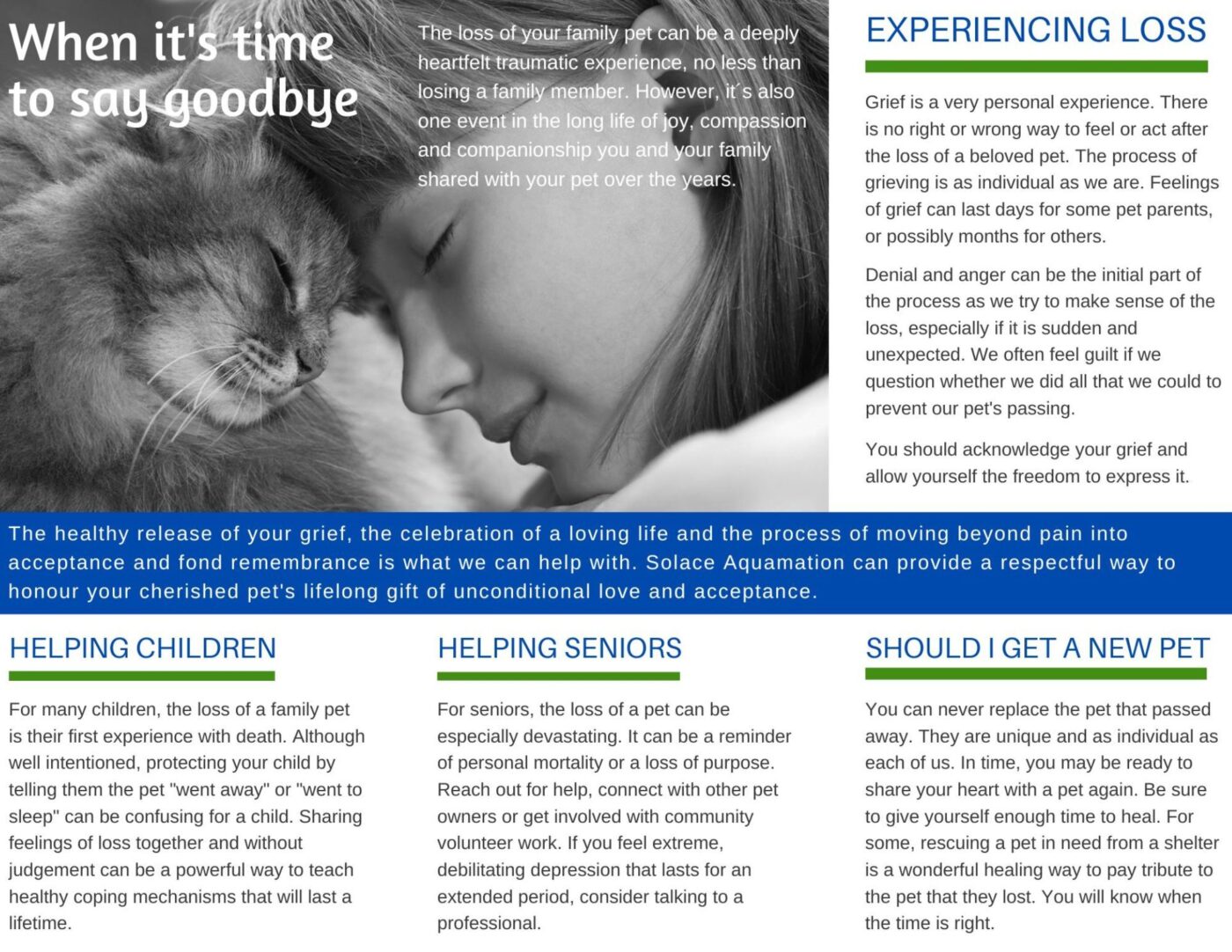
Our experience has taught us that pet aftercare is about much more than technology. It requires dignity, transparency, careful handling and sensitivity toward families experiencing the loss of a companion animal.
We would bring that experience to Mauritius while recognising that the Mauritian cultural, veterinary and animal-welfare environment is different. That’s why we are listening before deciding how a local service should be structured.
Help us shape the right model for Mauritius
We are currently speaking with veterinary professionals, animal-welfare organisations, pet-care providers, policymakers and pet families.
We would particularly welcome conversations with people and organisations already working in animal welfare and sterilisation.
We want to understand what is needed, what is already working and where a private aftercare service could make a useful contribution — without duplicating existing efforts.
If you have experience or perspectives that could help us shape this initiative, we would genuinely like to hear from you.
Extending care and compassion beyond life, into aftercare